
Loading ...
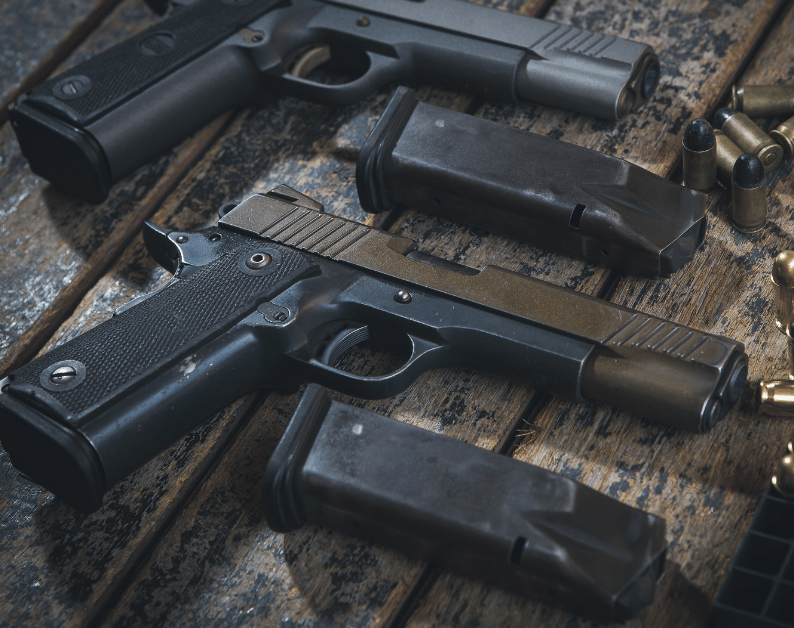
Choosing the right ammunition is key to safe and consistent firearm performance. Every caliber, bullet type, and grain weight affects how your shot travels, how your firearm handles recoil, and how accurate each round feels in your hands. Using incorrect ammo can reduce precision, wear down your barrel, or even cause malfunctions. Whether you’re training at the range or preparing for a hunt, understanding your ammunition helps you make confident, informed choices. Gunner HQ provides dependable handgun and rifle ammunition trusted by shooters who expect precision and performance from every round they fire.
Ammunition is the heart of firearm performance. The type you select determines the power behind each shot, how it travels, and how your firearm responds. Different cartridges generate different recoil patterns, muzzle velocities, and levels of stopping power. For instance, handgun rounds like 9mm deliver controlled recoil suited for self-defense, while rifle cartridges like .308 Winchester or 6.5 Creedmoor provide long-range stability and accuracy.
The wrong ammunition can cause serious issues, from misfires to excessive barrel wear. Over time, mismatched ammo reduces accuracy and reliability, especially if it doesn’t meet your firearm’s specifications. That’s why choosing the correct load isn’t only about preference—it’s about performance and safety. Explore a full range of quality options in our Ammunition section to find what suits your firearm best.
Each cartridge is made up of four key parts: the case, primer, powder, and bullet. The case holds everything together, the primer ignites the powder, and the powder creates pressure to launch the bullet downrange. The bullet, or projectile, is the portion that exits the barrel and hits the target.
There are two main cartridge types: rimfire and centerfire. Rimfire ammunition, such as .22 LR, has its primer located in the rim and is often used for smaller calibers. Centerfire cartridges like 9mm, .45 ACP, or .308 Winchester contain the primer in the center of the base and are more reliable for reloading and high-power shooting.
Learn more about handgun and rifle rounds in our Handgun Ammunition and Rifle Ammunition sections.
Different firearms require different ammunition types, each designed for specific performance goals.
For Handguns:
Popular handgun calibers include 9mm, .45 ACP, and .380 ACP. The 9mm remains a standard for its low recoil and affordability, ideal for practice and self-defense. The .45 ACP offers heavier impact, making it a preferred choice for those who value stopping power. The .380 ACP provides manageable recoil for compact handguns.
Bullet choice also matters. Full Metal Jacket (FMJ) rounds are best for range training, offering consistency and cost efficiency. Hollow Point (HP) rounds expand on impact, increasing stopping power and reducing over-penetration—ideal for personal protection. Grain weight, typically measured in grains (gr), also affects recoil. Lighter rounds produce less kick, while heavier loads hit harder. Explore our complete Handgun Ammunition lineup to find the right balance for your firearm.
For Rifles:
Rifles use a broad range of calibers suited for hunting, competition, and tactical use. Popular examples include .223 Remington, .308 Winchester, and 6.5 Creedmoor. The .223 is lightweight, accurate, and ideal for range shooting or small game. The .308 delivers power and precision at distance, while the 6.5 Creedmoor offers superior long-range performance with less recoil.
Barrel twist rate plays a role in stabilizing bullets. Faster twist rates favor heavier projectiles, improving accuracy over longer distances. Each rifle performs best with specific bullet weights and profiles, which is why testing different loads is part of fine-tuning your setup. Visit our Rifle Ammunition collection to explore options tailored for every shooter.
Bullet design affects how a round behaves from muzzle to target. The most common bullet types include:
Choosing the right bullet depends on your goal. Hunters prioritize stopping power and penetration, while competitive shooters focus on consistent ballistics. Training rounds, on the other hand, balance cost and reliability. Each design serves a clear function that directly influences ammunition performance and safety.
Every shooting discipline demands the right ammunition to achieve optimal results.
Whatever your purpose, selecting ammunition suited to your firearm and goal will always deliver better results. Find specialized products in our Ammunition, Handgun Ammunition, and Rifle Ammunition sections.
Safe ammunition handling keeps you and your firearm protected. Always check that your chosen caliber matches the markings on your barrel or receiver. Using incorrect rounds can cause jams, damage, or serious injury.
Store ammunition in a cool, dry place, away from direct sunlight or humidity. Moisture and heat degrade powder and primers over time. Inspect cartridges regularly for corrosion or damage, especially before use. Proper storage not only preserves reliability but also maintains consistent accuracy from round to round.
Following these safety steps ensures every shot performs as expected—every time you go to the range or field.
Selecting the correct ammunition is about more than preference—it’s about safety, performance, and achieving your shooting goals. Understanding bullet design, caliber, and firearm compatibility ensures each round performs exactly as intended.
Gunner HQ makes it simple to find the right ammunition for any firearm or purpose. From handgun to rifle calibers, every product is built for reliability, accuracy, and confidence in the field. Find the right ammunition for your firearm and order online today.